A quieter way to visit ACMI
ACMI’s Relaxed Visits are low-sensory museum sessions designed for visitors who would benefit from a calmer, less busy environment. They are suited to people with autism spectrum disorder, sensory sensitivities and others who find an ordinary museum environment demanding. The session is not a separate attraction: it is a way to explore ACMI’s screen-culture spaces with specific environmental adjustments. That makes it useful to plan around the visitor’s own needs rather than assuming one format works for everyone.
Dates and times to check
ACMI currently lists 2026 Relaxed Visits on 29 August, 19 September, 24 October and 21 November, from 9 am to 10.30 am. The August session is already past at the time this guide was reviewed, leaving the September, October and November sessions as the stated future dates. They are free, but availability and registration arrangements can change. Check the official event page close to the visit, especially if travel, support or a timed arrival depends on the session. Do not treat this guide as a booking confirmation or assume another date will be added after the listed programme ends.
What changes during a relaxed visit
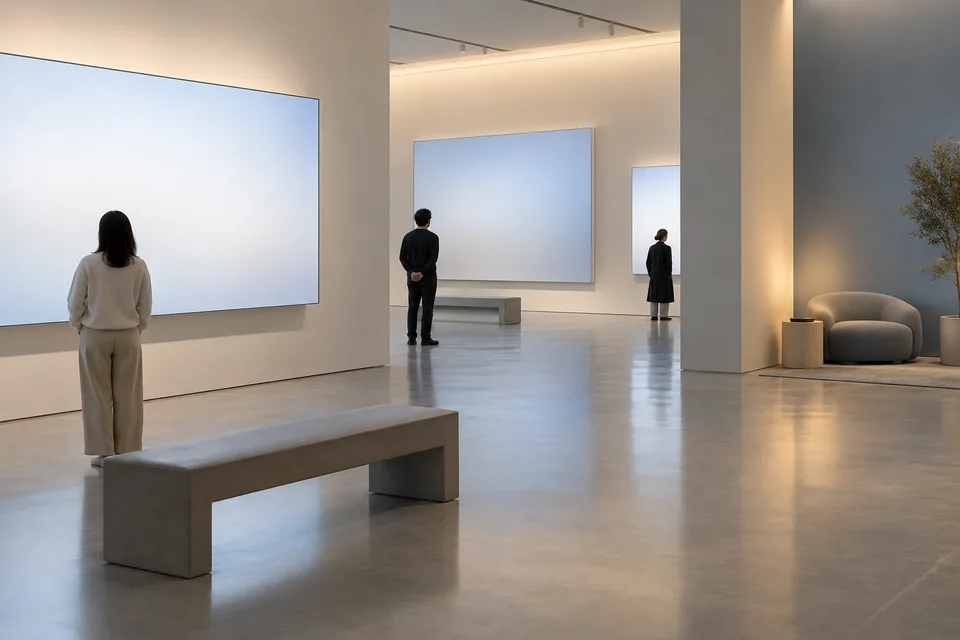
The museum says these sessions use quieter sounds and softer lighting in some exhibits, reduced visitor numbers and a dedicated quiet room. Those changes can lower stimulation without making the museum silent or removing every moving-image element. Build expectations around the actual environment rather than a promise of a completely predictable visit. If someone has a particular sensory, communication, mobility or support requirement, consult ACMI’s current access information and contact the venue before committing to a journey. A direct conversation is more reliable than a generic accessibility label.
Prepare the arrival
ACMI is in Fed Square on Flinders Street between Swanston and Russell streets, opposite Flinders Street Station and within Melbourne’s Free Tram Zone. The venue lists entrances at the upper Fed Square plaza and on Flinders Street, and currently notes construction affecting the Swanston and Flinders Street pedestrian crossing. Check the recommended approach on the day. Leaving extra time can make a significant difference: it allows for a calmer transition from station or tram to entry, a short orientation pause and any conversation with staff before the session begins.
Use the planning resources
ACMI provides visual stories, sensory guides and information on lifts, accessible toilets, wheelchairs, mobility equipment, hearing loops, assistance animals and Companion Cards. Its visual story uses pictures and plain written steps to show arrival and the different spaces. It can be helpful to look through it together before attending, then decide whether to arrive early, identify a quiet break point or keep the visit short. These tools support planning; they do not replace event-specific advice, which remains important if arrangements have changed or the visitor needs a particular service.
A flexible visit is a successful visit
Start with the idea that leaving early, spending time in one area, or using a quiet room can be a positive outcome. There is no need to complete every display. The museum’s broader screen-culture experience includes interactive elements, so choose the parts that feel useful on the day and let energy determine the pace. For families, ACMI says children under 13 must be accompanied by an adult. Prams are generally welcome, though they can be directed to the cloakroom in exceptionally busy exhibitions. Keep the itinerary light before and after the session so the visit has room to work on its own terms.
Before you go
Confirm the current session date, time, registration status, arrival route and relevant access details through ACMI’s official pages. Bring any support items that make the visit easier, and ask venue staff about current conditions rather than relying on old online advice. The listed final 2026 session is 21 November, so a later visit needs fresh confirmation that a new programme exists. A relaxed visit works best when the visitor, companion and venue share the same practical expectations.
Sources
Sources last validated: 14 September 2026.